Borrowing Sugar

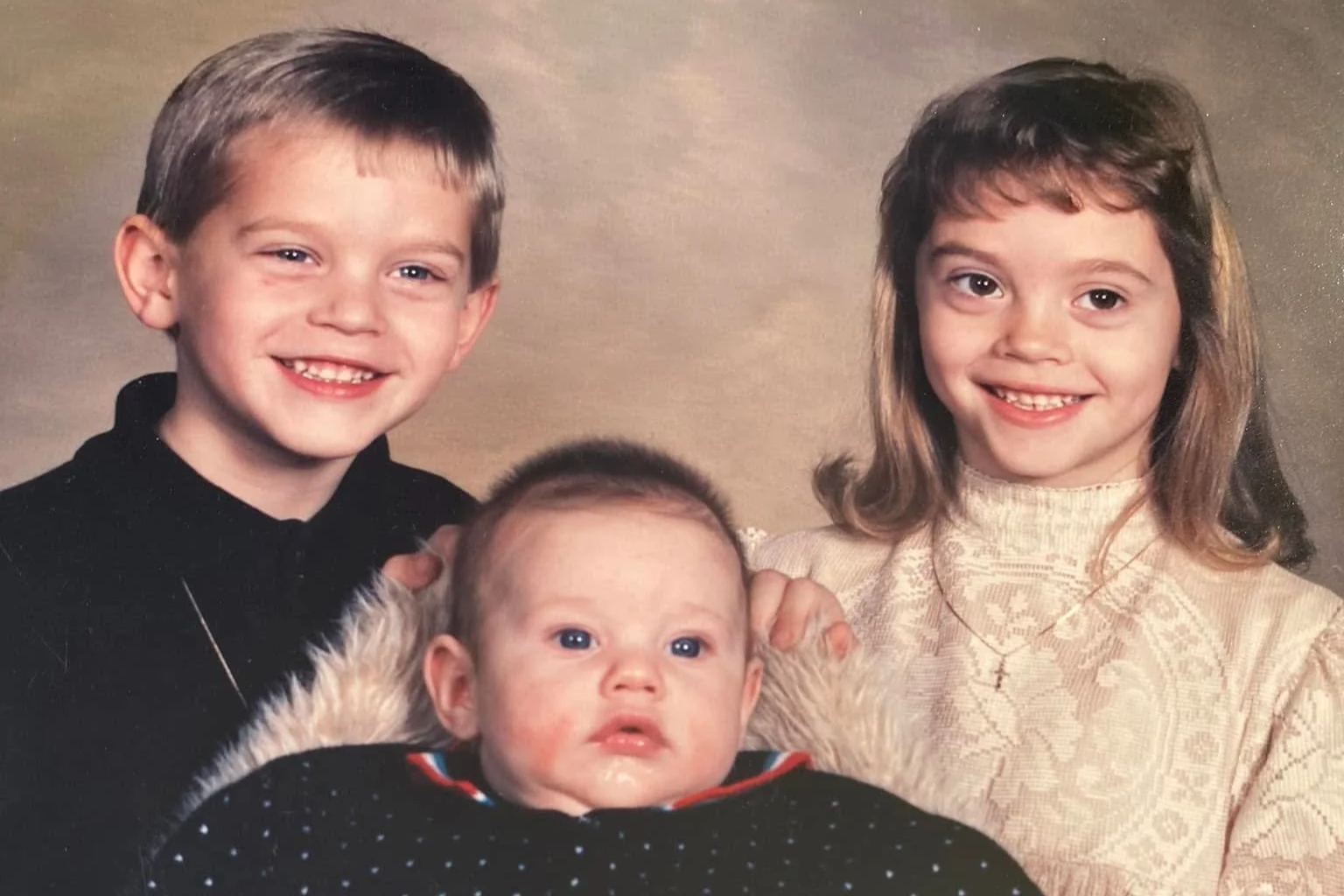
These first few posts are really about getting to know me — my heart, my brand, my dreams. So I want to start with something close to the center of all of it: community.
The older I get, the more often I catch myself longing for the "good ol' days." I think that's especially true for those of us who had what people now call an analog childhood, and then got thrown into a fully online world. It's hard not to wish for the better days.
But maybe I need to adjust my language. They weren't necessarily better. They were just different.
Looking back, growing up in the 90s feels like a luxury. Community back then was built on proximity. I'm the oldest of eight — six boys and two girls — and half of us grew up within a ten-minute drive of most of our extended family. Not long ago, I drove my littlest sister (23 years younger than me) around Edison and showed her where everyone had lived: our grandparents, our great-grandparents, aunts, uncles, cousins. She couldn't believe how close we all were. She wished it were still that way.


She spent most of her own childhood a good forty minutes from that same family — and from many of her older siblings and closest friends.
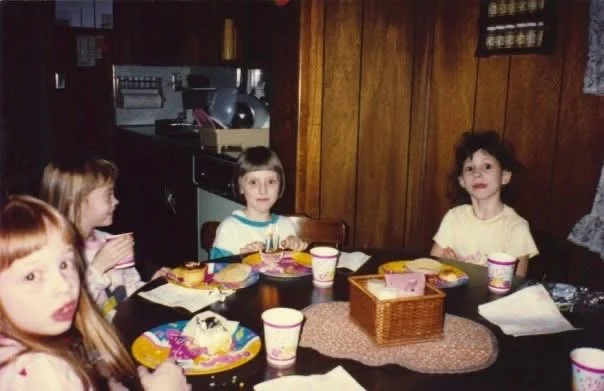
In my neighborhood, we knew our neighbors. We actually talked to them. We borrowed butter and sugar when we ran out — and honestly, being the one sent next door for butter was one of my favorite things, because that's where my best friend lived. My brother and I had a whole slew of friends on our block. You made friends based on who lived close by. You went outside, you found each other, and you stayed out there all hours of the day and into the night.

We had sleepovers with New Kids On the Block sleeping bags and watched Greece 1 and 2.
I remember Sunday night sauce at Grandma's and Wednesdays at Grandma Bestemor's. I even made friends in my grandparents' neighborhood. Seriously — what a luxury. I just didn't know what I had at the time.
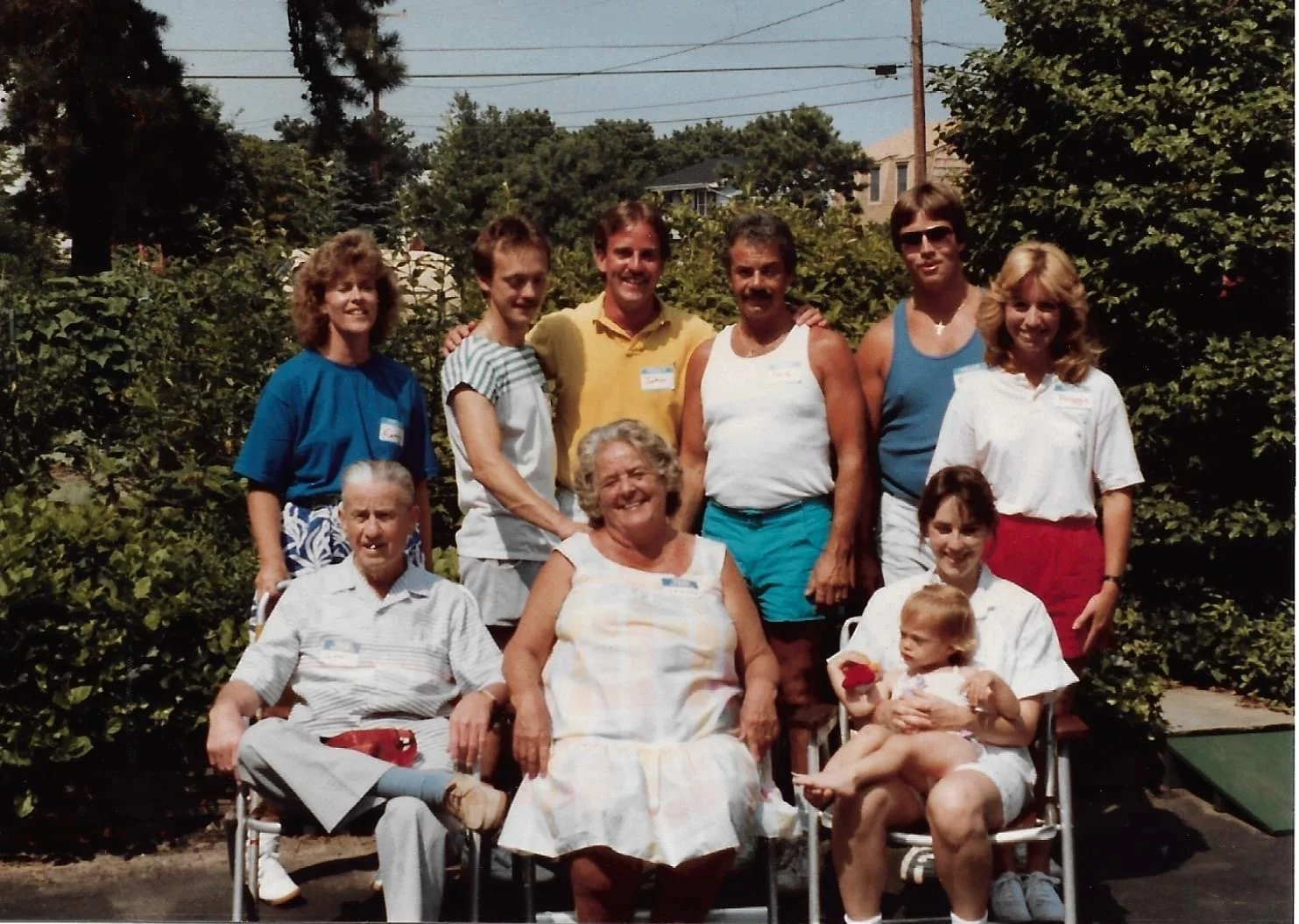
This photo is from the 80s at our Harper Family Reunion — we still have them every year.
I had proximity in so many places at once: my neighborhood, my church, dance, school, homeschool. And of course, my siblings — there were seven of them. I was never short on people.
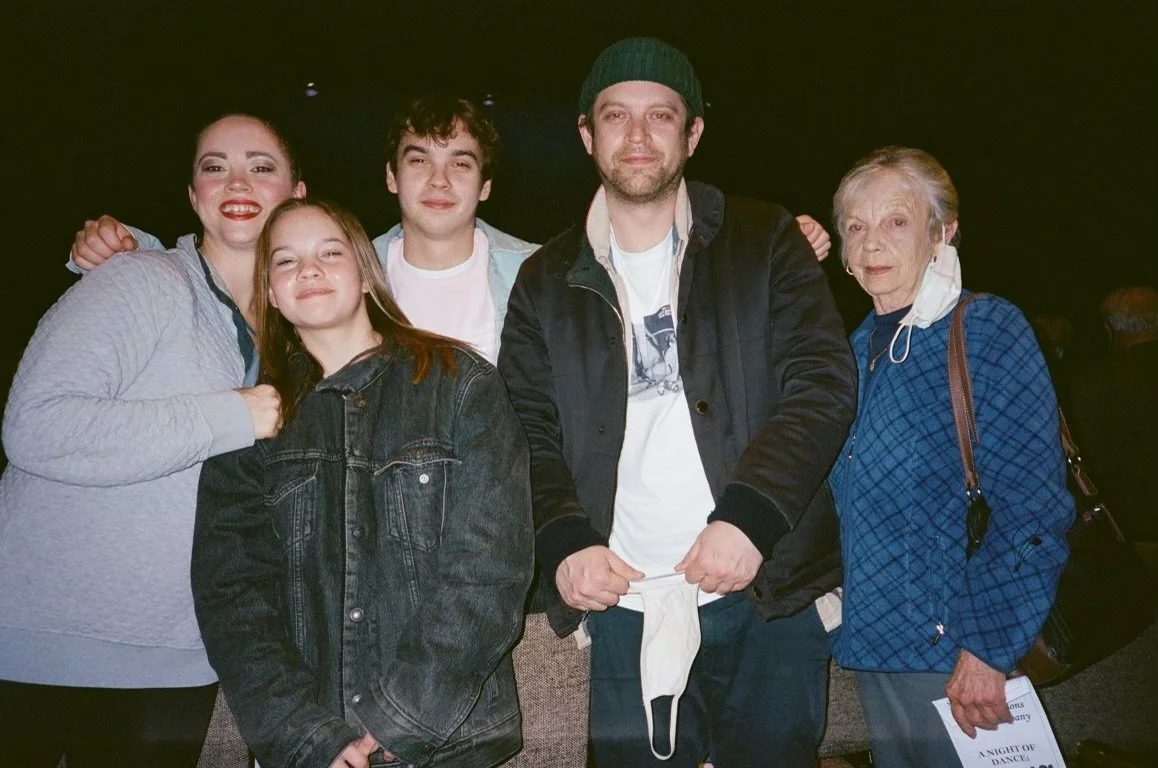


Today, community looks different. Thanks to the internet, it's usually not built on proximity anymore. In some ways that's a loss (you really can't borrow sugar over WiFi). But it's also a gift: distance no longer decides who we get to be close to. We get to choose our people now — intentionally.
That's why so many of my siblings and childhood friends are still my friends, all these years and miles later. I've had the same core group for over thirty years. We're lucky to all be in the same room four times a year. But we are fiercely intentional about staying connected. Every one of those friendships is different, and every one takes real work — especially now that we're all in such different seasons of life.

I still long for local community too. We try with our neighbors, but it mostly stays surface-level — and if it weren't for our dog, Walter Kevin, we probably wouldn't know anyone at all.
In 2016 my parents moved to Hopewell, NJ, and I've been drawn to that little town ever since. What pulls me isn't just how cute it is — it's the creative, earth-loving community of people there doing wonderful things. Last week I popped into my favorite shop, Wull & Oak and got to talking with Breona, the owner (who, for the record, I want to be when I grow up). She said something that's stuck with me: that people our age have a harder time finding community — especially without kids. Moms will always find each other. But the nature lovers, the painters, the readers, the sewists, the gardeners in their 40s? It's not always so easy.
Breona works hard to make her shop a place where that can happen. She opens her space for people to gather. That is exactly what I hope to do with this space.
Because we were made for community. We thrive in it. So how do we actually cultivate the healthy kind?
I'm part of several communities right now, and each one has its own purpose. They take up different amounts of my time and space, and they each have access to different parts of me — very few people get all of it. My family. My coworkers. My lifelong friends. My newer friends. My family through love. Each one matters.
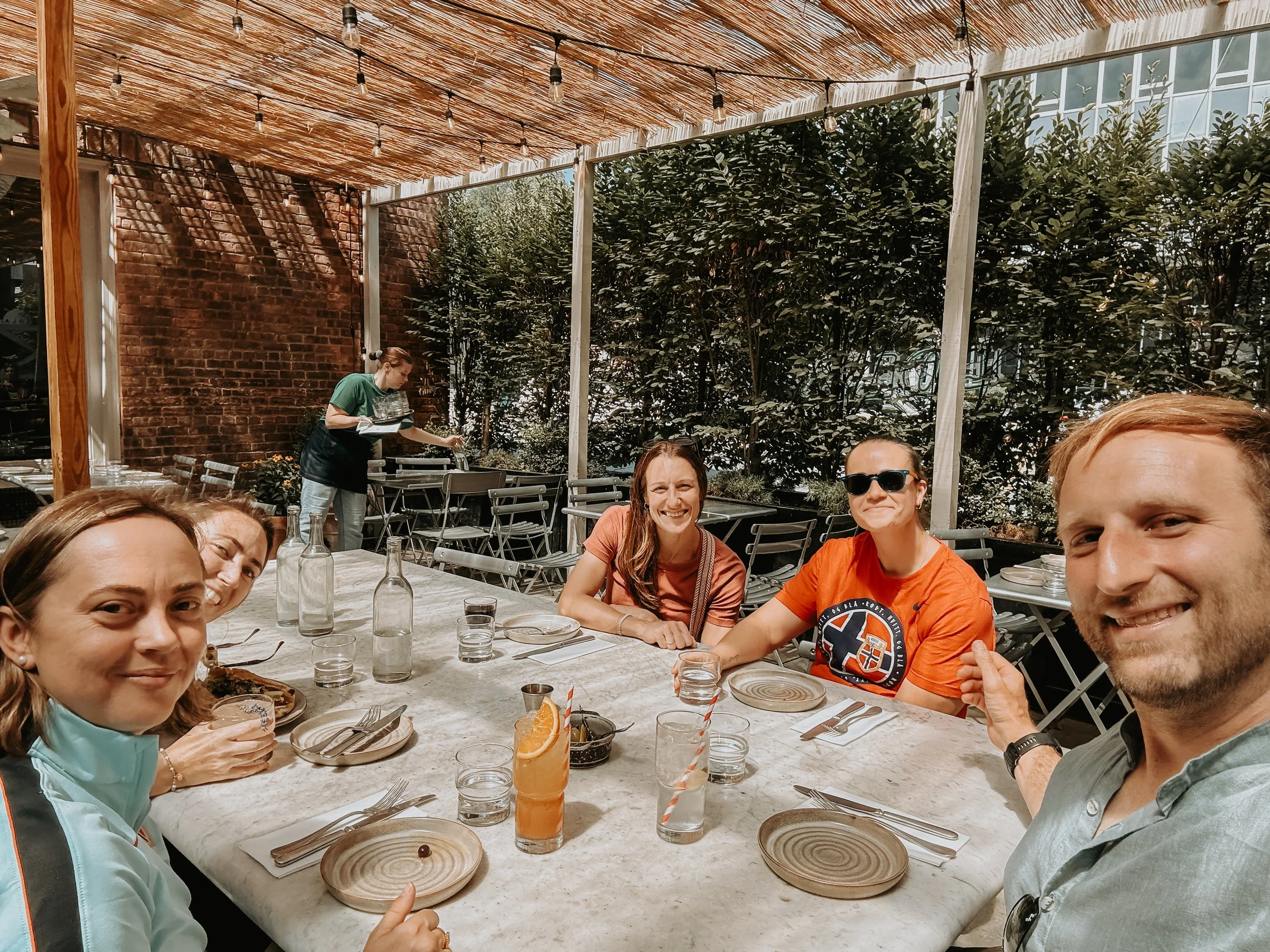
This year I started something new that keeps widening my circle: I've been writing letters through the Sunday Letter Project. It's reconnected me with people I hadn't spoken to in ages, and let me share with people I'd never really opened up to before. It has genuinely been a gift.
There's a word for what community becomes in the hard seasons: communitas. It describes people coming together in crisis — how something shared can pull people from every walk of life into real connection.
I learned what that word meant when Seth passed.
My friend of thirty years showed up at my door. She didn't call first, she didn't wait to be asked — she just came. Another friend, someone I've known since childhood, texted me every single day for weeks. Nothing grand, just showing up in my phone again and again. I can't fully explain the peace those small, steady messages brought me.

My life friends — over 30 years.
And then there were the women who prayed.
Before I left on my mission trip, I asked a group of them to come together and pray for me. Most of them had never met — they came from completely different seasons and walks of life. But every day I was gone, in every time zone, they prayed. Whenever I texted, at any hour, someone was there. Day or night. It remains one of the most incredible gifts I've ever been given.

Here's what strikes me about all of them: not one had a reason of proximity to show up. Nobody lived next door. They chose to. And that's the whole thing, isn't it — the community we build on purpose is the one that holds us when everything else gives way.
When I look all the way back — to the Bible — I notice that Jesus chose his community too. He didn't gather people based on who happened to be nearby. He chose them, intentionally, and then they did life together: showing up for one another, changing the world together.
Our people used to be right next-door. Now we have to go looking, choose them, and keep choosing them. It's harder — but maybe that's exactly what makes it more meaningful. And slowly, choice by choice, we get woven back together.
That's the community I want to keep choosing — and the kind I hope to help others find, right here.

