Staying Connected to the Hands Behind What We Wear
This week I want to share a little of my journey to discovering fair trade — and why it's something I think about every time I make a purchase. And what better a day than World Day Against Trafficking?
Not everyone knows what "fair trade" means, so let's start there. The way Fair Trade USA puts it, fair trade is a global movement that puts people and the planet ahead of profit. The idea is pretty simple. Almost everything we buy passes through someone's hands before it reaches ours, so where we spend our money either helps those people or it doesn't. Shopping fair trade is choosing to help on purpose.
I grew up in a Christian home — Evangelical, to be exact. I know, some of you might be cringing. I promise I've done a lot of faith work since then, and you'll see there was real good in it, too. What my experience, the church I grew up in gave me a deep value for people and for culture. My faith journey is a long one, but the common thread running through all of it is love — for God, God's love for me, and a responsibility to love others.
I was taught what it meant to show love in action. The church I grew up in introduced me to missions. By the time I was 21, I'd been to ten countries — some more than once — and on eight mission trips. I was given the privilege of being exposed to other cultures at a young age -- both due to my travels and the area I grew up in - central New Jersey. And although I didn't understand privilege at the time, I knew I was lucky to have grown up where I did, when I did. The best thing my parents ever did for me is trust me to go on these trips at such a young age. I am so grateful to anyone who supported me on these trips, and to the youth leaders who took me, my life was changed because of them.
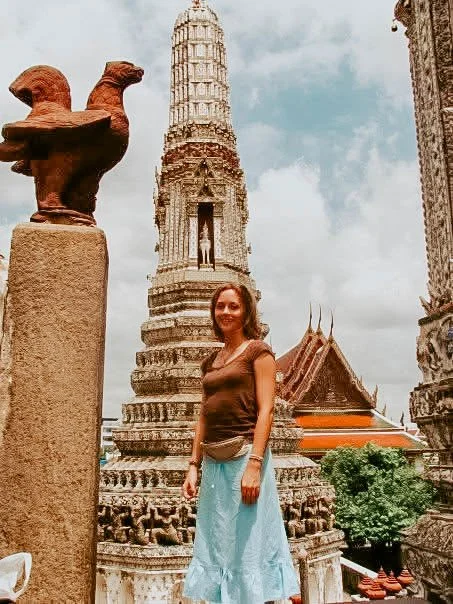
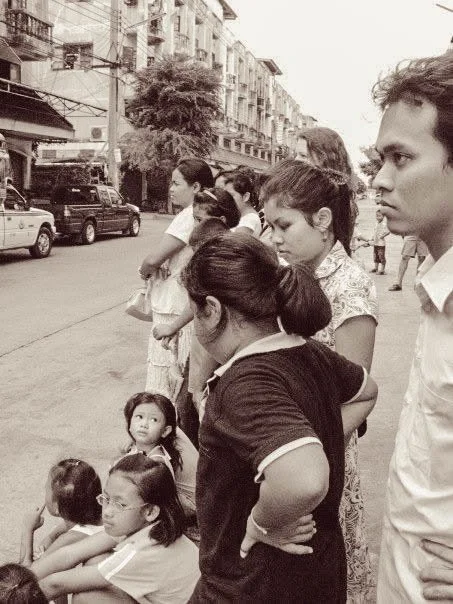
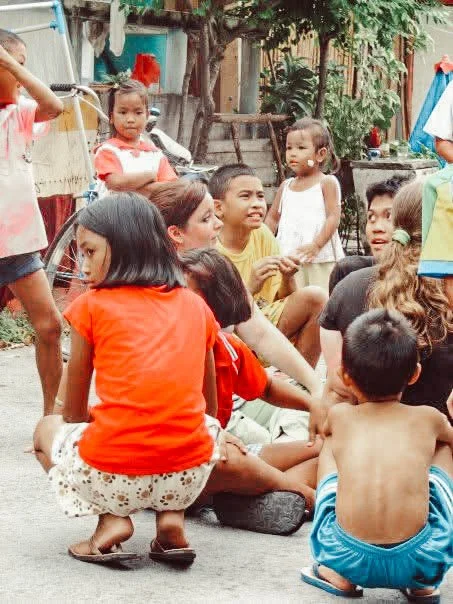
It was on these trips that I would look into the eyes of the most vulnerable and see Jesus — I would see their need for love. It reminded me of Matthew 25: when we see those who are suffering, God suffers with them. I remember the children in Jamaica who lived in a home because their parents couldn't or wouldn't care for them. Many had severe disabilities; many were bedridden. Such young children. It was heartbreaking. But when you looked into their eyes and told them they were loved, they lit up. Those faces, that experience — I will never forget them.
I only recently learned that I'm a highly sensitive person, and it explains so much about my life. Whenever I saw people who were suffering, I felt like I was one of them. I could feel the weight they carried, and I wanted to help.
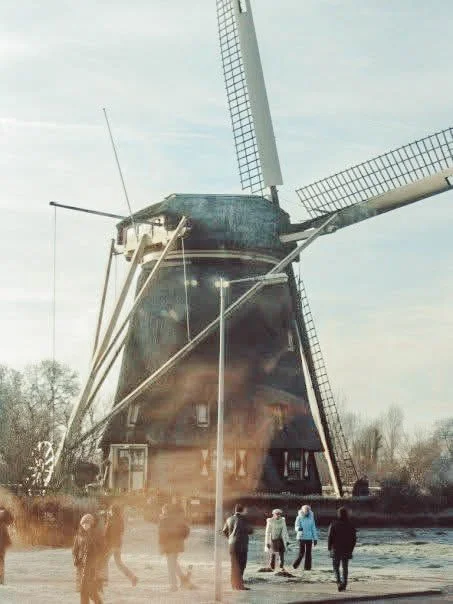
One of the trips that shaped me most was my second mission trip to Thailand. It was there that we went into the red light district to minister to the women, and it was the first time my eyes were opened to the horrors of human trafficking. That same year, on a stopover to Israel, I passed through Amsterdam and learned about the red light district there too. My eyes were beginning to open. But it wasn't until later — when I discovered that human trafficking happens here, in America — that I felt I had to do something. It was a feeling deep in me: I couldn't hear what I'd heard and see what I'd seen and do nothing.
In 2012 I learned of an organization called Love True that was working to end human trafficking in New Jersey (unfortunately, they no longer exist). I went to a "Human Trafficking 101" training and learned so much about what trafficking actually looks like here. I felt moved to action, so I began volunteering with them and continued to research on my own. I learned that trafficking is more than sex trafficking — there's labor trafficking too, among other forms. People are being exploited everywhere, and it weighed heavily on my heart.
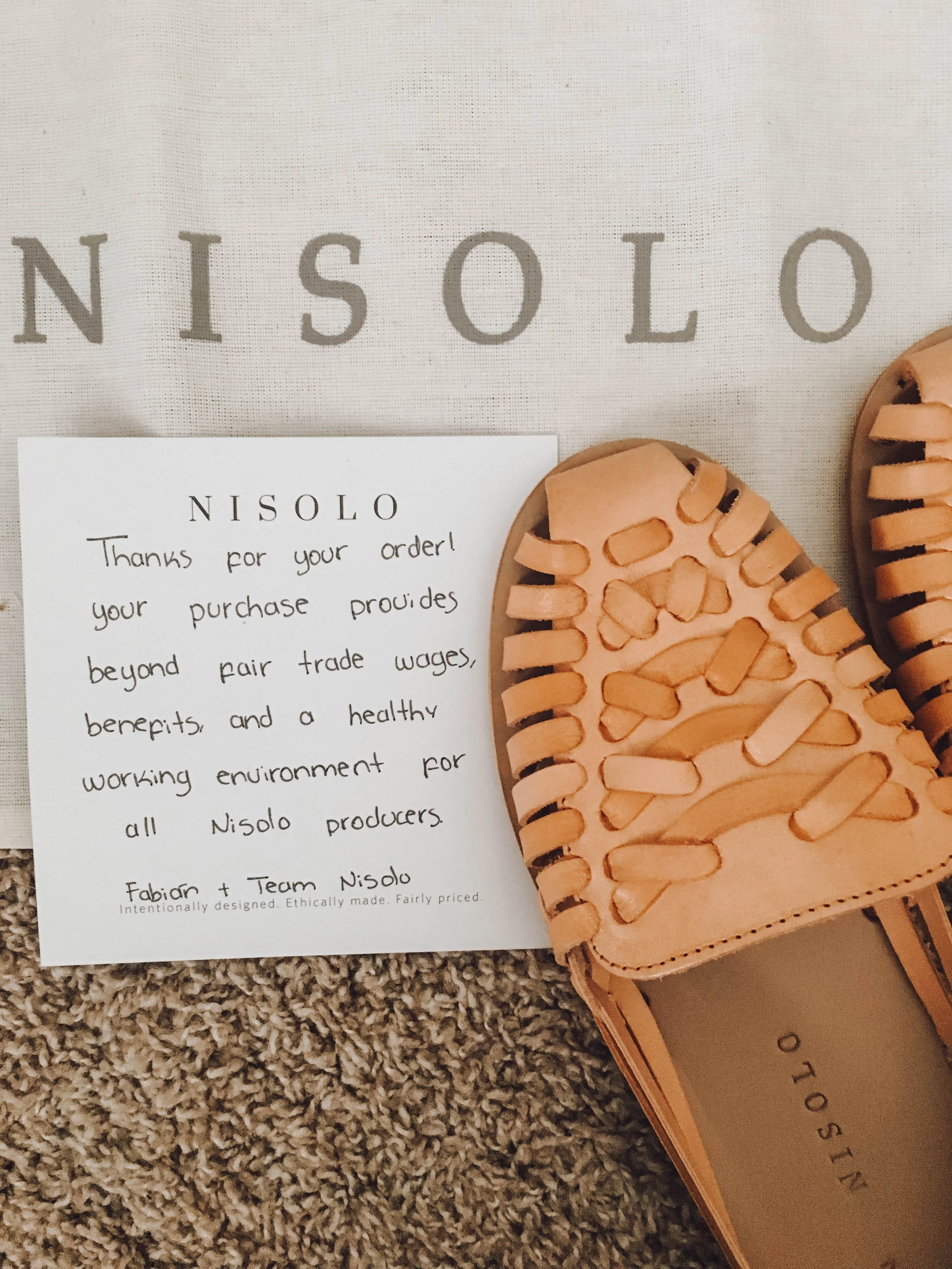
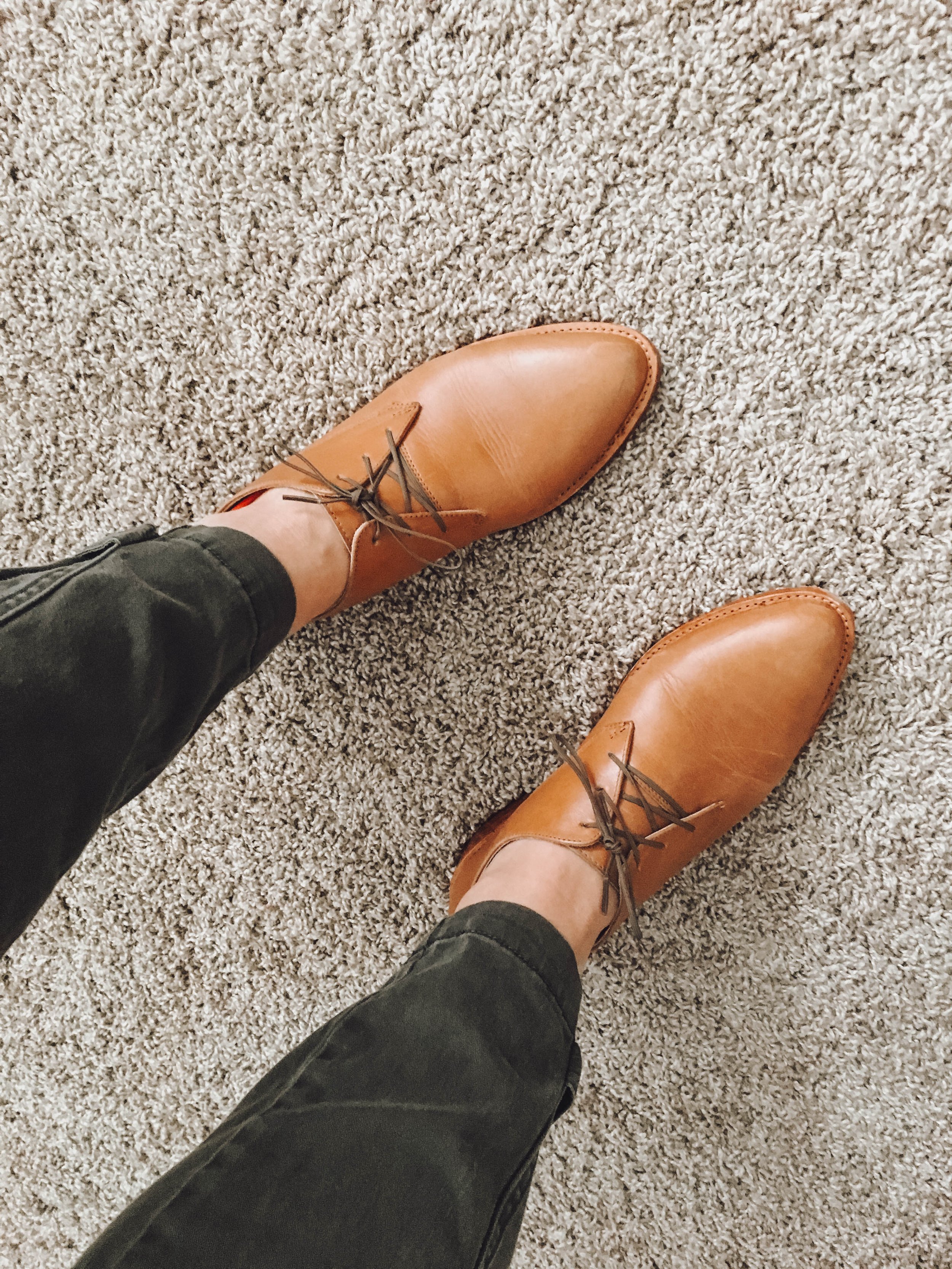
I spent time with the two women who led Love True — both my age, both changing the world. I was endlessly inspired by them. It was through them that I first learned about fair trade. I learned that I could vote with my dollars. That there were brands that valued people as much as I did. I started paying attention to what these women wore and looking up the labels — ABLE, Nisolo, The Horse — most of them leather goods. Back then there weren't many brands being intentional about how they sourced. Now, thank God, there are so many.
So this became one of my first real steps toward fighting human trafficking: using my dollars to intentionally buy goods that were fairly made.
When I researched the history of fair trade for this post, I fell in love with it all over again. It really starts back in 1946, with a woman from Pennsylvania named Edna Ruth Byler. On a trip to Puerto Rico, she met women who made the most beautiful needlework but were living in real poverty. So she started bringing their work home with her, selling it to friends and neighbors, and giving the money right back to the women who made it. What she started grew into Ten Thousand Villages, which, funny enough, might be the first fair trade store I ever shopped in, long before I knew what any of it meant.
The first label shoppers could actually look for, Max Havelaar, showed up in the Netherlands in 1988. Other countries started their own versions, and by 1997 they'd come together under what's now called Fairtrade International. The next year, in 1998, fair trade certification made it to the U.S. through Fair Trade USA (which started out as TransFair USA).
I love that women were behind some of the earliest ethical clothing brands, too. prAna was started in 1992 by Pam Theodosakis and her husband, Beaver, who sewed their very first pieces by hand in a garage. It went on to become the first clothing company in the U.S. to sell Fair Trade Certified apparel. And People Tree, started by Safia Minney, was the first fashion brand anywhere to earn the World Fair Trade Organization's product label.
These days there are so many brands trying to source their goods thoughtfully, even ones without an official fair trade label. I love finding these brands, and I want to share them with you here at The Gathered Thread Collective. That name means something to me. A single thread on its own can't hold much, but gathered with others it becomes strong enough to keep someone warm — and the clothes we wear are the same, made of countless threads and the hands that wove them. I think noticing those hands is part of how we stay connected.
I'm not trying to guilt anyone into anything. I just hope you might feel a small pull to shop with a little more intention, because what we buy really does touch real people.
It takes patience, I'll be honest. It means choosing something made with more care over the one-click rush and instant gratification fueled by brands like Amazon. I want to write more soon about the real cost of fast fashion. But for today, I'm just glad you're here. Let's make the world a better place, together.
